Most fence posts come out by loosening the soil around the base, then levering, rocking, or jacking the post free. A post set in concrete needs the footing broken apart or dug out whole. Before any of that, call 811 to have underground utility lines marked, since a buried line is the one mistake you cannot undo.
A fence post that has outlived its fence does not want to leave quietly. Whether you are clearing a line for a new fence or replacing one rotted post, the post is almost always the hardest part of the job. The panels come down fast; the post, especially one set in concrete, can fight you for an hour if you go at it the wrong way. This guide covers the tools, methods, and local soil quirks that change the job in the New Orleans area.
Call 811 Before You Dig
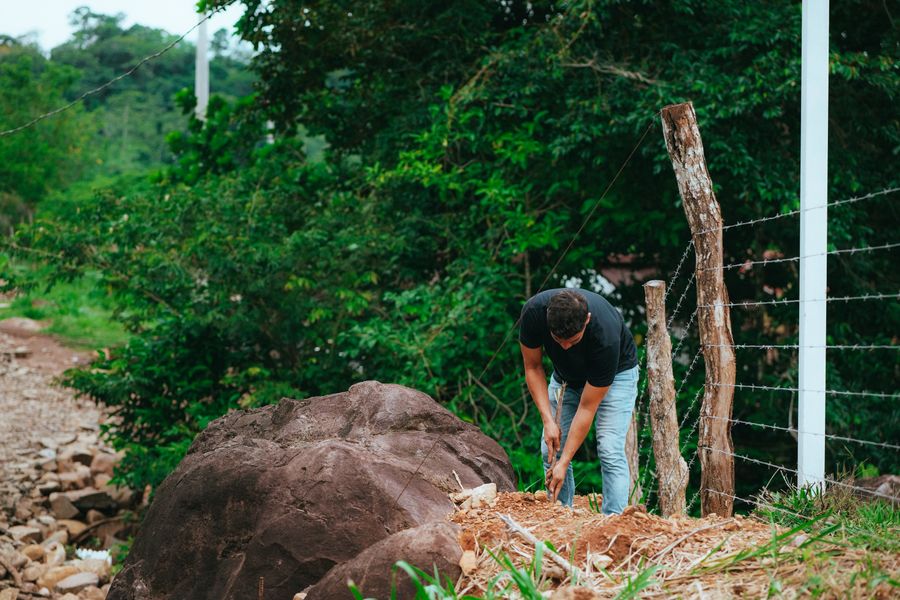
Before you put a shovel in the ground near a fence line, call 811. It is a free service that sends utility companies out to mark buried gas, electric, water, and communication lines near your dig site. Fence lines run along property boundaries, exactly where utility connections and service drops often sit, and a post in the ground for twenty years may now sit closer to a line than it did at installation. Skipping this step is never worth the risk, and most areas require it by law.
Tools You Will Need
Having the right tool on hand saves most of the frustration. A basic removal kit includes:
- Round-point shovel for general digging around the post
- Post-hole digger (clamshell style) for narrow, deep digging
- Pry bar or digging bar for levering and breaking up packed soil or concrete
- Farm jack or high-lift jack with a chain for pulling stubborn posts straight up
- Sledgehammer for breaking apart a concrete footing
- Reciprocating saw for cutting a rotted wood post off at grade
A loose post in sandy soil might come out with just a shovel and a bar; a deep footing calls for most of the list.
How to Remove a Fence Post Step by Step
Digging and Levering It Out
This is the method to try first on most posts. Dig a trench around the post, roughly a foot out from the base and down past where it seems to anchor into the ground. Loosening the soil on all four sides, not just one, is what frees the post, since it usually sticks because the dirt is packed tight, not because it is attached to anything. Once the soil is loose, work the pry bar under the base and rock the post while lifting.
Using a Jack and Chain
For a post that will not budge by hand, a farm jack or high-lift jack turns brute force into leverage. Wrap a chain around the base, as low as you can get it, and hook the other end to the jack’s lifting arm. Set the jack on a stable block of wood so it does not sink into the dug-out soil, then work the handle in slow strokes. Stop and re-dig if the post bends instead of lifting; a snapped post or slipped chain under tension can hurt you.
Rocking the Post Loose
On posts that are stuck but not set in concrete, rocking alone sometimes works. Grip the post as low as possible, or clamp a pipe over it for leverage, and push it back and forth in small arcs. Each pass widens the hole slightly and lets loosened soil fall in around the base. This works best after a rain, and pairs well with the digging method above rather than replacing it.
Removing a Post Set in Concrete
Concrete footings are where most of this job’s effort goes. There are two ways to deal with one, and which you pick usually depends on how much you want to save the hole for a replacement post.
Breaking Up the Footing
Dig around the concrete collar, then go at it with a sledgehammer and digging bar. Fence post footings are rarely reinforced, so a few solid strikes along the edges and top crack it into workable chunks you can pry out, then clear the rubble with a shovel.
Cutting a Rotted Wood Post and Digging the Stump
If the post is wood and rotted at the base, cutting is often faster than fighting the concrete. Use a reciprocating saw to cut it off at or just below ground level, remove the fence panel and visible section, then dig out the buried stump and footing separately. This is also the safer route when a post is too rotted to grip or pry without crumbling.
Why Wet Louisiana Soil Changes the Job
New Orleans soil works both for and against you here. The high water table and heavy clay keep the ground wet and soft most of the year, which can make leverage harder since a shovel or bar tends to slip in mud rather than find solid footing. On the other hand, that same moisture often works against the post for you: footings in damp soil loosen at the edges over time