Your fence price in New Orleans comes down to five things: the material you pick, the fence height, how much linear footage you need, the number and width of your gates, and our soft, high-water-table soil, which often calls for deeper post footings. Chain link is the most economical to install, wood and aluminum sit in the middle, and vinyl generally runs the most once materials and labor are combined. Because every yard and material combination is different, the only way to get a real number is a free, on-site estimate from our crew.
A new fence is one of the smarter investments you can make in a New Orleans home, but what you pay depends heavily on what you build and where you build it. A short chain link run along a side yard is a different project than a full privacy fence wrapping a corner lot with two gates. The crews at TurnKey Fences set fences across the metro every week, so this guide walks through what moves your price, how the materials compare, and how to plan your budget before you call for an estimate.
Fence Materials Compared
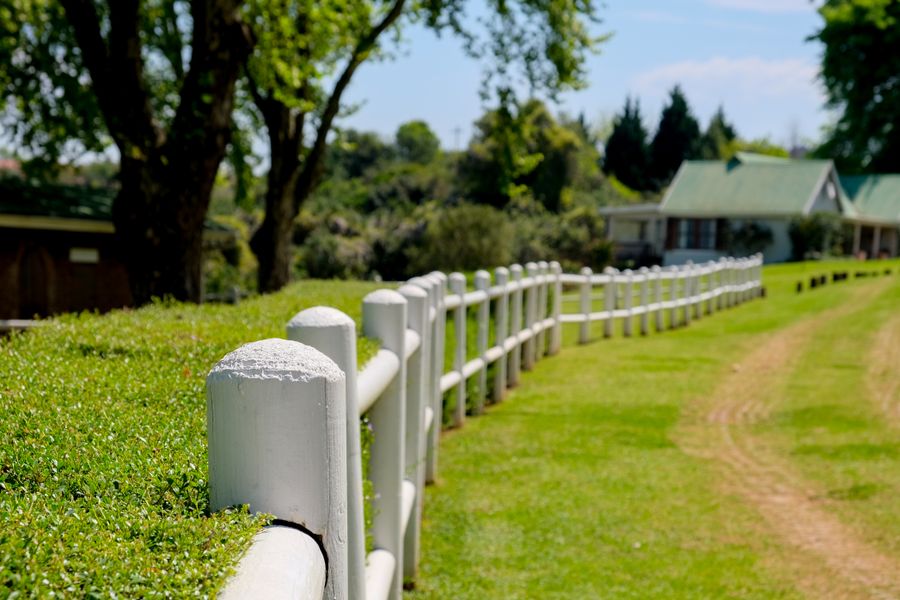
Every fence material trades off privacy, upkeep, and lifespan a little differently. The table below lines up the options we install most often around New Orleans so you can see where each one is strong and where it asks more of you down the road. You can see the full lineup, including specialty options, on our fence types page.
| Material | Privacy | Maintenance | Durability In Our Climate | Best For |
|---|---|---|---|---|
| Chain link | Low (unless slatted) | Very low | Excellent, shrugs off humidity | Pets, boundary lines, budget-first projects |
| Treated pine | Full | Moderate, needs resealing | Good with upkeep | Affordable full privacy |
| Cedar | Full | Moderate | Very good, naturally rot and insect resistant | Premium look, long service life |
| Vinyl | Full | Minimal, hose it off | Excellent, won’t rot or rust | Low-maintenance privacy |
| Aluminum ornamental | Low to moderate | Very low | Excellent, won’t rust or corrode | Pool code compliance, decorative fronts |
Treat this as a starting point rather than a final decision. Chain link is the clear value pick for pet containment or marking a line, and galvanized or vinyl-coated mesh shrugs off Gulf Coast humidity (see our chain link fence guide for more). Treated pine gives classic privacy at an approachable price, cedar resists rot and insects better and ages with a richer look, vinyl trades a higher price for zero painting or staining, and aluminum ornamental delivers a decorative, pool-code-friendly look without rust. A short walkthrough of your property will tell you more than any chart can.
What Goes Into Your Fence Price
Six things drive most of the difference between a modest bid and a bigger one. None of them is a mystery, and once you understand each lever, you can make informed trade-offs instead of guessing.
Material and Grade
This is the biggest lever. Chain link is the most economical option, treated pine sits in the middle, and cedar, vinyl, and aluminum land at the top. A heavier-gauge panel or thicker picket adds to the bid but holds up longer.
Height
A standard privacy fence runs 6 feet tall. Going to 8 feet adds material and often extra permitting; a 4-foot front-yard fence uses less of both. Taller fences also catch more wind, which matters in a hurricane zone.
Linear Footage
The more fence you run, the lower your per-foot rate usually drops, since mobilization and setup spread across a bigger job. A 40-foot run costs more per foot than a 200-foot perimeter.
Gates and Access
Every gate adds hardware and labor. A simple walk gate adds modestly; a wide double-drive gate adds considerably more. Tight backyard access, where crews carry materials through a narrow side path, also adds labor time.
Site and Soil Conditions
New Orleans sits on soft, alluvial soil with a shallow water table. Posts often need to be set deeper and in more concrete than on drier ground, which keeps them from leaning as the soil swells and shrinks with the seasons. Removing an old fence or working around a drainage easement also adds time before the first post goes in.
Permits
Many fence projects in Orleans Parish and nearby parishes require a permit, with rules that shift by height, lot line, and historic-district status. A reputable installer builds this into the plan up front. Our guide to fence permits in New Orleans covers what to expect.
How to Estimate Your Project by Perimeter
Once you’ve settled on a material, measure your perimeter, meaning the total linear footage of fence line you need. Walk the property line with a tape measure, noting where gates will go and where the ground rises, dips, or gets soft. Most metro backyards run somewhere between 120 and 200 linear feet, though corner lots and larger properties run well beyond that.
From there, your installer multiplies footage by the material’s installed rate, adds gate hardware, and factors in anything unusual about the site, like extra post depth, old fence removal, or a permit fee. Two 150-foot yards can land at very different numbers once gates, slopes, and soil come into play, which is why an on-site walkthrough, not a chart, is what gets you a firm figure.
Common Budgeting Mistakes to Avoid
A few missteps come up again and again when homeowners plan a fence project. Watching for them up front saves time and frustration later.
- Measuring only the front yard. Many projects end up covering more of the property than first planned, so measure the whole perimeter before you set a budget.
- Skipping the permit question. Starting work before checking local rules can mean a stop-work order and rework later.
- Ignoring the soil. A fence set shallow in our soft ground may lean within a year or two, costing more to fix than setting it right the first time.
- Skipping the written, itemized estimate. A clear estimate lists materials, labor, gates, removal, and permits as separate line items, so you know exactly what you’re paying for.
Why Local Climate and Soil Affect Long-Term Value
The sticker price is only part of the story in South Louisiana. Constant humidity, heavy rain, biting insects, and hurricane-season wind test a fence year after year. Untreated wood rots and warps, thin metal corrodes, and shallow posts lean once the ground saturates after a storm. New Orleans soil is largely soft alluvial clay over a shallow water table, which expands when wet and contracts when dry, the movement that causes posts to tilt over time if they weren’t set deep enough or anchored with enough concrete.
Spending a bit more upfront on treated or rot-resistant materials, proper post depth, and correct bracing against wind load is what keeps a fence standing straight through storm season instead of leaning by year three. If you’re weighing a repair against a full replacement on an older fence, our guide on residential fencing options can help you decide which way to go.
Frequently Asked Questions
Is it cheaper to install a fence yourself?
DIY saves on labor, but you take on digging, leveling, permits, and the risk of leaning posts in our soft soil. For a straightforward chain link run, a handy homeowner can manage it. For a straight, lasting privacy or vinyl fence, professional installation usually pays for itself in durability and time saved.
What is the cheapest fence for a New Orleans backyard?
Chain link is typically the most budget-friendly option because it uses less material and goes up fast. If you want privacy without the biggest spend, treated pine is usually the most affordable privacy material, though cedar and vinyl last longer with less upkeep over time.
Does a fence quote include the old fence removal?
It depends on the contractor. Tear-out and haul-away of an existing fence is sometimes bundled into the job and sometimes billed separately, so ask up front. A clear written estimate should list removal, permits, materials, and gates as separate line items.
How long does a new fence last in South Louisiana?
With proper installation, vinyl and aluminum can last 20 years or more, cedar around 15 to 20 years with upkeep, treated pine 10 to 15 years, and chain link 15 to 20 years. Humidity and storms shorten the life of any fence that’s poorly installed or left unmaintained.
Do I need a permit to build a fence in New Orleans?
Many fence projects do require a permit, and the rules vary by parish and by fence height. Check with your local permitting office before you build, or work with an installer who handles that step for you.