Louisiana generally treats a fence built exactly on a shared property line as a “common” boundary fence, which can come with shared rights and shared costs between both owners. A fence built entirely on your neighbor’s own side of a confirmed line, even a few inches in from it, belongs to them alone and does not require your permission. The one thing that settles which situation you are in is a current property survey, since guessing based on an old fence or a tree line is how most boundary disputes start.
If you share a property line with a neighbor, a fence conversation eventually comes up. Before anyone orders materials, it helps to know exactly where that line sits, who has the right to build on it, and how Louisiana treats a fence that straddles a boundary differently from one that sits entirely on private land. This guide covers the practical side of neighbor fence questions for homeowners in the New Orleans area, from surveys to shared upkeep to what to do if you and your neighbor see it differently.
Where Is Your Property Line, Really?
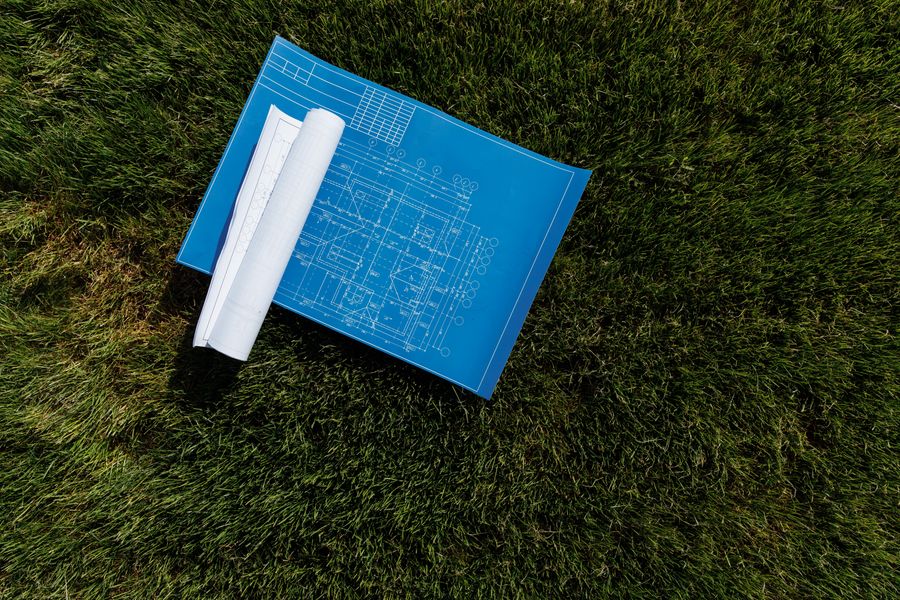
Most homeowners have a rough sense of where their yard ends, based on an old fence or a line of trees. A rough sense is not the same as a legal boundary. Lot lines are set by recorded surveys and legal descriptions, not by where the grass changes or where a fence has stood for twenty years. In older New Orleans neighborhoods especially, lots have been resurveyed and subdivided for over a century, and the fence standing now may never have sat on the actual line in the first place.
That gap between the assumed line and the real one is where most neighbor fence disputes start. A fence that is a foot or two off from where everyone thought the boundary ran can turn into a real headache once a property sells or new survey work gets ordered.
Building On The Line vs. Setting Back From It
There is a meaningful difference between a fence built directly on a shared property line and a fence built a few inches or feet back from it, entirely on one owner’s side.
A Fence Built On The Line
A fence placed exactly on the boundary sits in both yards at once. Louisiana generally treats this as a shared, or common, fence, and both neighbors typically have an interest in it, affecting who needs to agree before it goes up, who can repair it, and who has a say if it ever comes down.
A Fence Built On One Side
A fence built entirely on your own side of a confirmed line belongs to you outright, even if it sits right up against the boundary. You do not need your neighbor’s permission to build it, though telling them before equipment shows up is simple courtesy. Most of the fences TurnKey Fences installs in the New Orleans area are set back onto one owner’s side specifically to avoid the shared-fence questions altogether.
Why A Survey Comes Before The Fence
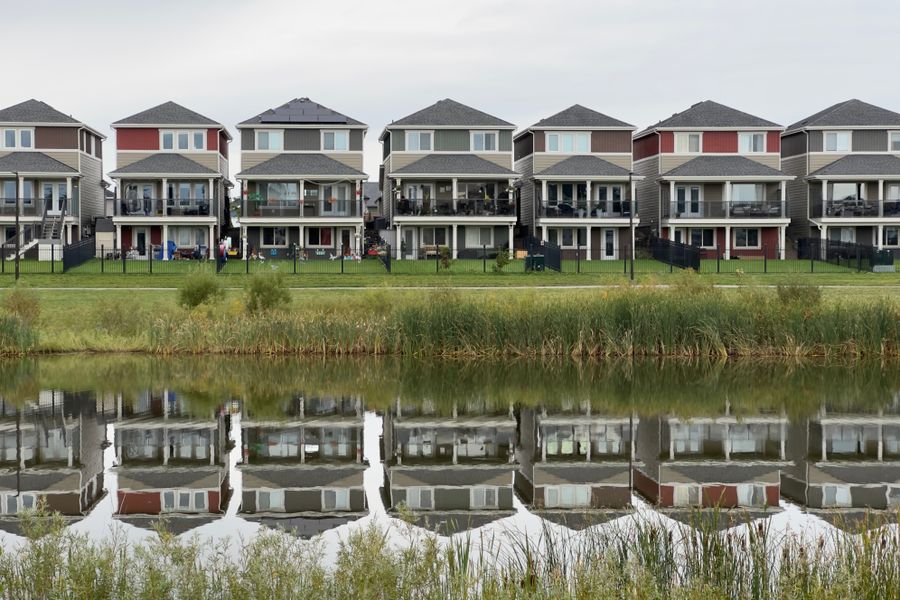
A current property survey is the one document that settles where a boundary line actually falls. Skipping it and guessing from an old fence, a sightline, or what a neighbor remembers is how encroachment problems happen, where a new fence ends up a few feet onto someone else’s lot without anyone intending it.
A survey also protects you if a disagreement ever reaches a title company or a real estate closing. If you already have one from a purchase or refinance, dig it up before you plan the fence line. If you do not, it is worth the cost before material gets ordered, not after.
Beyond the line itself, check your parish rules on height, setbacks, and permitting before you build near a boundary. Our guide to fence permits in New Orleans covers what most surrounding parishes require.
What Is A Shared, Or “Common,” Boundary Fence?
When a fence sits directly on the line and both properties benefit from it, Louisiana’s civil-law tradition has specific, long-standing rules about shared boundary fences. In broad terms, a true boundary fence that both neighbors use and benefit from can come with shared rights and shared obligations, including sharing in reasonable costs to build or maintain it.
The exact details, including when a neighbor can be asked to contribute and how much, depend on the facts of the situation and your parish’s own rules, which a general guide cannot settle for you. If a shared-fence question is part of your project, a local survey and a conversation with your parish’s permitting office is the right next step before anyone builds.
Good-Neighbor Etiquette Before You Build
Even when you are fully within your rights to build on your own side, a short conversation before the crew shows up saves a lot of friction later.
Tell your neighbor the project is happening and roughly when. Share the fence line and height, especially if it is tall enough to affect their view or shade their yard. If it will sit near a shared gate or drainage path, flag that too.
None of it is required when you are building clearly on your own property, but it is the difference between a neighbor who stays a non-issue and one who calls code enforcement because they found out from a delivery truck in the driveway.
Who Owns And Maintains Each Side?
Ownership and maintenance generally follow who built the fence and where it sits, though a few patterns hold true across most situations.
If you built it entirely on your own land, it is yours. You maintain it, repair it, and decide its future. If it is a true shared boundary fence sitting on the line itself, maintenance responsibility is often shared too, depending on use, upkeep history, and your parish’s rules.
A finished side facing outward toward the neighbor is a common courtesy, not a legal requirement. If you are weighing styles, our fence cost guide for the New Orleans area breaks down what different materials run.
What To Do If You And Your Neighbor Disagree
Most boundary fence disagreements get resolved without lawyers. A calm conversation, backed by a survey if the line itself is in question, settles the large majority of cases.
If a conversation does not resolve it, put your position in writing and reference the survey if you have one. For disputes involving real money or a fence already built on the wrong side, a real estate attorney familiar with Louisiana boundary law is worth a consultation before anything gets torn out or rebuilt.
If you are planning a new fence and want to skip the conversation altogether, the simplest fix is building a few inches onto your own side of a confirmed line. TurnKey Fences lays out projects this way across Baton Rouge, Covington, Gretna, Hammond, Harahan, Kenner, LaPlace, Madisonville, Mandeville, Metairie, River Ridge, Slidell, and St. Rose, to keep things simple for homeowners on both sides of the fence.
Frequently Asked Questions
Can my neighbor build a fence on the property line without my permission?
If the fence sits entirely on their own side of a confirmed property line, generally yes, they do not need your permission, though checking with you first is the neighborly thing to do. A fence built directly on the shared line itself is treated differently in Louisiana and can involve both owners.
Who pays for a shared fence between two properties?
When a fence sits on the boundary line itself, Louisiana’s rules on shared boundary fences can mean both neighbors have a cost-sharing obligation. The exact details depend on the situation, so check with your parish or a local attorney if cost-sharing becomes a real question.
What happens if my neighbor’s fence is on my side of the line?
Start with a conversation and a current survey to confirm where the actual line falls. If the survey shows the fence has crossed onto your property, you can ask your neighbor to move it, and most neighbors cooperate once there is a survey to point to.
Do I need a survey before building a fence near my property line?
It is strongly recommended. A survey is the only reliable way to confirm exactly where your property ends, and building without one is the most common cause of boundary fence disputes.
What if my neighbor and I disagree about the fence?
Most disagreements get sorted out with a conversation and a survey. If that does not resolve it, put your position in writing and consider a consultation with a real estate attorney familiar with Louisiana boundary law before anything gets built, moved, or torn down.