Staining a wood fence means cleaning the wood, letting it dry completely, repairing any damaged boards, then applying an exterior wood stain with a brush, roller, or sprayer in thin, even coats. In New Orleans, the timing matters as much as the technique, since you need a stretch of dry weather with low humidity for the stain to cure properly before the next rain rolls in.
A fresh coat of stain is one of the simplest ways to protect a wood fence, but South Louisiana’s climate makes the job less forgiving than it is elsewhere. Skip a step or stain at the wrong time and you can end up with blotchy color, peeling, or a finish that fails within a season. Here is the full process, the tools that work best, and how to time it around our humidity and rain.
Prep the Wood Before You Stain
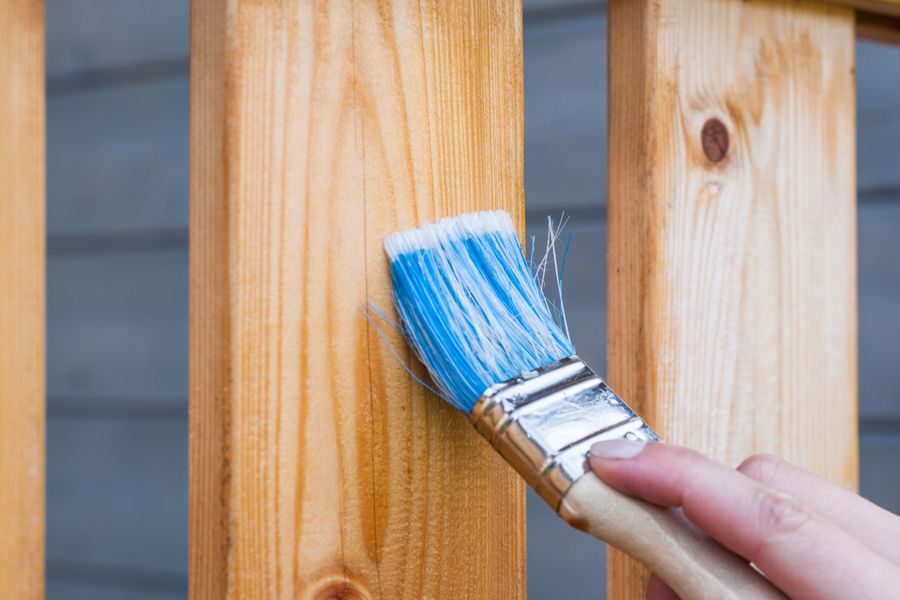
Stain only bonds well to clean, dry wood, so prep is where most of the real work happens. Skipping this stage is the single biggest reason a staining job fails early.
Clean, Dry, and Repair
Wash off dirt, pollen, algae, and old finish residue with a fence cleaner and a stiff brush, or a pressure washer on a low setting. Go easy on the pressure, since too much force gouges the grain and leaves the surface rough. Then let the wood dry all the way through, not just on the surface. Plan on at least 24 to 48 hours of dry weather after washing, longer if the air is thick with humidity or the wood is dense like cedar.
While you wait on drying time, walk the fence line and fix problems, since stain will not hide structural issues. Replace rotten or split boards, tighten loose pickets, set popped nails or screws, and sand rough or splintered spots. New or rough-sawn wood usually takes stain fine without sanding; older wood with raised grain or a failing prior finish benefits from a light sanding pass first.
Choose the Right Stain for Your Fence
Stain comes in a few finish levels and two base types, and the right pick depends on how much wood grain you want to show and how often you want to redo the job. Transparent stain shows the most grain but weathers fastest. Semi-transparent is the middle ground most homeowners land on, adding color and UV protection while still letting the grain show. Solid stain behaves closer to paint, hiding the grain and lasting longest between coats, but it also shows wear more obviously at the end of its life.
Oil-based stain penetrates deeper into the wood fiber and tends to hold up well in humid, swampy conditions like ours, though it takes longer to dry between coats. Water-based stain dries faster, cleans up easier, and has lower odor, but it can be less forgiving if humidity rolls in before it sets. In a climate where you are often racing a rain system, factor the dry time into your decision as much as the look.
Tools for Applying Stain
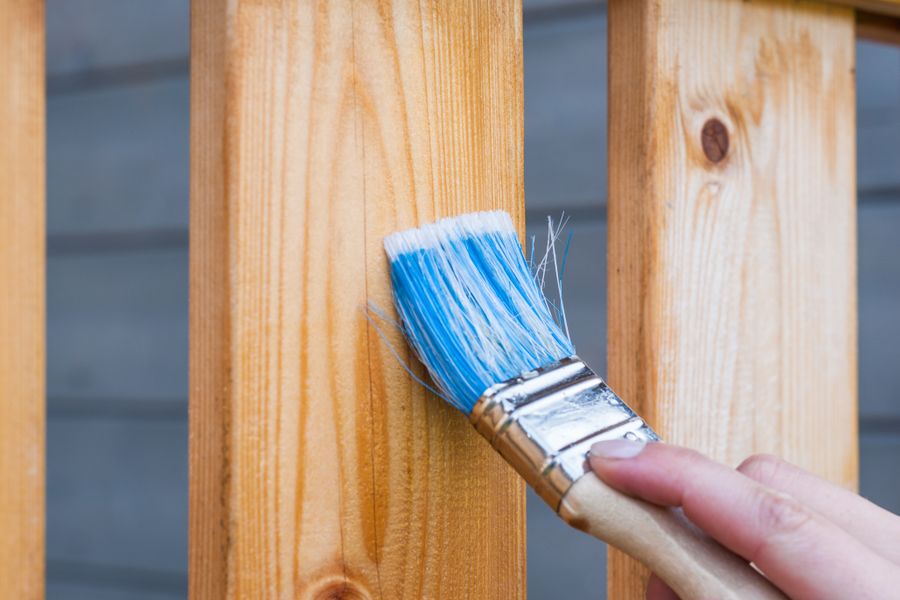
Each method trades speed for control. A brush gives the most control and works stain into the grain well, suited to rough-sawn lumber or detailed picket tops, though it is slow on a long fence. A roller covers flat, smooth-faced panels faster but struggles between pickets. A pump sprayer is fastest for a long line with lots of pickets or lattice, but it leaves overspray and uneven coverage unless you back-brush right after, running a brush over the surface to work the stain into the grain. That step is what separates a sprayed fence that looks professional from one that looks blotchy.
Applying Stain Evenly, Coats, and Dry Time
Work in manageable sections, generally one panel or a few boards at a time, so you can keep a wet edge and avoid lap marks where dry stain overlaps wet stain. Apply with the grain, not across it, and wipe off any excess that pools in corners or along the bottom of pickets, since pooled stain dries darker and uneven. Stain both faces if access allows, since the side that takes the most sun and rain needs the most protection.
Most exterior wood stains need one to two coats, with the second applied only after the first has dried per the product label, typically a few hours for water-based products and closer to a full day for oil-based ones. Follow the label over general rules of thumb, since formulas vary. Once the final coat goes on, the stain needs a longer cure window, often 24 to 48 hours of dry weather with no rain, before the fence can handle normal exposure.
Timing a Staining Job in New Orleans
Weather is the real variable here, more than any tool or technique. Check the forecast for at least two to three consecutive dry days, covering both the drying time after washing and the cure time after the final coat, since a pop-up afternoon storm can wreck a coat that has not set. High humidity slows drying no matter how sunny it looks, so early fall and late spring mornings, after the heaviest summer humidity breaks, are often more workable than July and August. Avoid direct, intense midday sun too, since the product can dry too fast on the surface before it penetrates the wood and leave a lap-marked finish. Early morning or late afternoon usually gives a more even result.
New Fences and Re-Staining Schedule
Brand-new wood, and especially pressure-treated lumber, holds moisture from the mill or the treatment process and needs time to dry out before stain will absorb correctly. Let a new fence weather for a few weeks to a couple of months, and test readiness by splashing a little water on the wood. If it soaks in, the wood is ready. If it beads up and sits on the surface, give it more time.
Our humidity, rain, and sun cycle breaks down exterior finishes faster than it does in drier regions. Transparent stains often need refreshing every one to two years, semi-transparent every two to three years, and solid stain can sometimes stretch to three to five years. Watch for fading, water no longer beading on the surface, or raw gray wood showing through, since those are the signs it is time for another coat rather than waiting on a fixed calendar date. If a board has gone past staining and needs replacing instead, our team handles that kind of fence repair too.
Common Staining Mistakes to Avoid
A few errors come up again and again on fences in our area. Stain applied over damp or dirty wood will not bond properly and often fails within months, sometimes peeling in sheets, so confirm the wood is clean and fully dry before the first coat goes on. Rain within the cure window, extreme heat, or very high humidity during application are the top reasons a job underperforms here, so if the forecast is uncertain, wait a few days rather than push through and redo the work later. Staining over split, rotten, or loose boards also wastes product and labor, since those boards need attention again soon anyway. Our guide to painting and finishing different fence materials covers how staining compares to other finish options.
A well-prepped, well-timed staining job keeps a wood fence looking good through our swings between downpours and dry spells. If you would rather hand the project to someone who works around Louisiana weather every week, TurnKey Fences installs and maintains wood fences built to hold up to local conditions.
Frequently Asked Questions
how long should a wood fence dry before staining?
After washing, give the fence at least 24 to 48 hours of dry weather before staining, longer if humidity is high. A new or pressure-treated fence needs several weeks to a couple of months to dry out first.
is it better to spray or brush stain onto a fence?
Spraying covers a long fence line faster, especially around pickets, but it needs back-brushing right after to work the stain into the grain evenly. A brush gives more control and suits smaller fences or detailed areas well.
can you stain a fence in humid weather?
High humidity slows drying and can keep the stain from curing properly before rain returns. Pick a forecast window with at least two to three dry days and avoid staining during the thickest humidity of summer when possible.
how many coats of stain does a wood fence need?
Most exterior stains need one to two coats, with the second coat applied once the first has dried according to the product label. Check the specific stain’s instructions, since dry times vary between oil-based and water-based formulas.
how often should you re-stain a wood fence in Louisiana?
Transparent stains often need refreshing every one to two years in our climate, semi-transparent every two to three years, and solid stain every three to five years. Fading or raw wood showing through are signs it is time sooner than a fixed schedule.